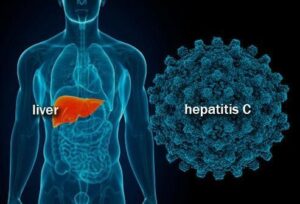
Your liver is the largest organ in your body. It helps your body digest food, store energy, and remove poisons. There are many kinds of liver diseases: diseases caused by viruses, such as hepatitis A, hepatitis B, and hepatitis C; diseases caused by drugs, poisons, or too much alcohol, such as fatty liver disease and cirrhosis; and diseases caused by inherited conditions and liver cancer.
Symptoms of liver disease vary, but they often include abdominal and leg swelling, easy bruising, changes in stool and urine color, and jaundice (yellowing of the skin and eyes). Sometimes, there are no symptoms at all.
Understanding the color treatment system is crucial because it can guide you through your treatment journey. Each disease or condition is assigned a unique code that includes a treatment color. This system helps you quickly identify treatment options for your specific condition, empowering you to take control of your health.
Scroll down the site to find your disease or condition. Then, you look for the treatment color. The treatment colors are magenta (red-blue), blue, cyan (blue-green), green, yellow (red-green), and red. I give the treatment colors a number. Magenta = 0, blue = 1, cyan = 2, green = 3, yellow = 4, and red = 5. For instance, Cirrhosis would then be categorized as 12-00-4. Here, the last digit, the treatment color, is yellow. The first two digits are the disease/condition group (Liver Diseases are 12). The next two digits (Cirrhosis is 00) are the illness within the group, and the last digit (yellow is 4) is the treatment color. This system helps you quickly identify treatment options for your specific condition.
When you use the projector, click your treatment color to display a large image. Make the color cover the whole page, then project it onto yourself. When you use the spotlight or the LED light bulb, you choose your color manually.
Cirrhosis is the late stage of liver scarring (fibrosis) caused by various liver diseases and conditions, including hepatitis and chronic alcoholism.
Each time your liver is injured, whether by disease, excessive alcohol use, or another cause, it attempts to repair itself. During this process, scar tissue forms.
As cirrhosis progresses, additional scar tissue forms, making it difficult for the liver to function (decompensated cirrhosis).
Advanced cirrhosis is a life-threatening condition that can be fatal.
Fatty liver disease means your liver contains excess fat. Your doctor might call it Hepatic Steatosis. Heavy drinking increases your risk of developing it. Over time, excessive alcohol consumption leads to a buildup of fat within your liver cells, making it harder for your liver to function.
A fatty liver contains fat in your liver; however, you may not experience inflammation or damage to your liver cells. Therefore, it usually does not worsen or lead to liver complications.
The liver, a vital organ located under the right side of the rib cage, performs some of the body’s most important physiological functions. Its role is crucial, from flushing out toxins and processing nutrients to filtering blood and fighting infections. Therefore, any significant damage to this organ can be life-threatening.
The liver can be affected by many factors, such as genetic issues, immunological disorders, cancer, and lifestyle disorders like poor eating habits, alcohol use, and viral infections.
Hepatitis is one of the most common conditions that damage the liver. Simply put, it leads to inflammation of the liver.
Hepatitis A is a highly contagious liver infection caused by the hepatitis A virus. It is one of several hepatitis viruses that cause inflammation and impair liver function. You are most likely to contract hepatitis A from contaminated food or water or from close contact with an infected person or object.
However, the good news is that mild cases of hepatitis A usually don’t require treatment, and most infected people recover completely without lasting liver damage. Because hepatitis A is preventable, you can take control of your health by practicing good hygiene, including frequent handwashing and avoiding contaminated food and water.
Hepatitis B is a severe liver infection caused by the hepatitis B virus (HBV). In some individuals, the infection becomes chronic, lasting more than six months. Chronic hepatitis B increases the risk of liver failure, liver cancer, or cirrhosis — a condition that permanently scars the liver.
Most adults with hepatitis B recover completely, even if their signs and symptoms are severe. However, infants and children are at higher risk of developing a chronic (long-lasting) hepatitis B infection.
Hepatitis C is a viral infection that causes liver inflammation and can lead to severe liver damage. The hepatitis C virus (HCV) spreads through contaminated blood.
Until recently, treatment for hepatitis C required weekly injections and oral medications that many people with HCV could not tolerate due to other health issues or unacceptable side effects.
However, this is changing. Today, chronic HCV is typically curable with daily oral medications taken for two to six months.
Hepatitis E is a liver inflammation caused by the hepatitis E virus (HEV). The virus has at least four genotypes: 1, 2, 3, and 4.
Genotypes 1 and 2 have been found only in humans. However, genotypes 3 and 4 circulate in various animals, including pigs, wild boars, and deer, without causing disease and occasionally infect humans.
Infected individuals shed the virus in their stools, and it enters the human body through the intestine. It is primarily transmitted through contaminated drinking water. The infection is typically self-limiting and resolves within two to six weeks. However, in some cases, a severe disease known as fulminant hepatitis (acute liver failure) can develop and may be fatal.
Nonalcoholic fatty liver disease (NAFLD) is an umbrella term for liver conditions that affect individuals who consume little to no alcohol. As the name suggests, NAFLD’s primary characteristic is excessive fat accumulation in liver cells.
NAFLD is increasingly common worldwide, particularly in Western nations. In the United States, it is the most prevalent form of chronic liver disease, affecting approximately one-quarter of the population.