02 15 Small Intestinal Bacterial Overgrowth (SIBO)
02 16 Tylenol Liver Damage
02 20 Vomiting Blood
Our digestive tract, the gastrointestinal tract, is crucial to our overall health. It includes the esophagus, liver, stomach, small and large intestines, gallbladder, and pancreas. Digestive disorders, which affect millions of people each year, can disrupt this vital system. These disorders range from mild to severe. Common digestive disorders include gastroesophageal reflux disease, cancer, irritable bowel syndrome, lactose intolerance, and hiatal hernia. The most common symptoms of digestive disorders include bleeding, bloating, constipation, diarrhea, heartburn, pain, and nausea and vomiting.
Understanding the color treatment system is crucial because it can guide you through your treatment journey. Each disease or condition is assigned a unique code that includes a treatment color. This system helps you quickly identify treatment options for your specific condition, empowering you to take control of your health.
Scroll down the site to find your disease or condition. Then, you look for the treatment color. The treatment colors are magenta (red-blue), blue, cyan (blue-green), green, yellow (red-green), and red. I give the treatment colors a number. Magenta = 0, blue = 1, cyan = 2, green = 3, yellow = 4, and red = 5. For instance, Ascites would then be categorized as 02-00-4. Here, the last digit, the treatment color, is yellow. The first two digits are the disease/condition group (Digestive Diseases is 02). The next two digits (Ascites is 00) are the illness within the group, and the last digit (yellow is 4) is the treatment color. This system can help you quickly identify treatment options for your specific condition.
When you use the projector, click your treatment color to display a large image. Make the color cover the whole page, then project it onto yourself. When you use the spotlight or the LED light bulb, you choose your color manually.
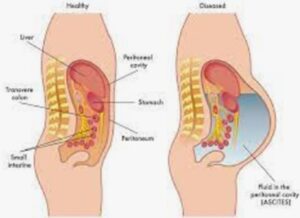
Ascites occurs when too much fluid accumulates in the abdomen (belly). This condition often arises in individuals with cirrhosis (scarring) of the liver. The peritoneum covers the abdominal organs, including the stomach, intestines, liver, and kidneys. The peritoneum consists of two layers. Ascites develops when fluid collects between these two layers.
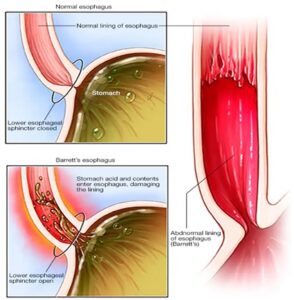
Barrett’s esophagus is a condition in which acid reflux damages the flat, pink lining of the esophagus, the tube that connects the mouth to the stomach, causing it to thicken and turn red. The lower esophageal sphincter (LES) is an essential valve between the esophagus and the stomach. Over time, the LES may fail, allowing acid and other chemicals to damage the esophagus, a condition known as gastroesophageal reflux disease (GERD).
Ulcerative colitis is an inflammatory bowel disease (IBD) that causes inflammation and ulcers (sores) in the digestive tract. It affects the innermost lining of the colon and rectum. Symptoms typically develop gradually rather than appearing suddenly.
Ulcerative colitis can be debilitating and may lead to life-threatening complications. Although there is no known cure, treatment can significantly reduce signs and symptoms and promote long-term remission.
Constipation occurs when a person has difficulty emptying the large bowel. Home remedies and lifestyle changes can often help resolve constipation, but sometimes, medical attention is needed. Constipation can happen for many reasons, such as when stool moves too slowly through the colon. The slower food moves through the digestive tract, the more water the colon absorbs, and the more complex the feces become. A person who poops fewer than three times per week may have constipation. It can sometimes result from a significant intestinal blockage or a lack of fiber or water.
Dysphagia is the medical term for difficulty swallowing. When dysphagia is mild, it may cause an individual to pause eating for a minute or less. However, when it is severe, it can prevent an individual from consuming enough calories to meet nutritional needs. Dysphagia has many causes:
There may be a physical (anatomical) obstruction to the passage of food.
There may be abnormalities in the function of the nerves of the brain, throat, and esophagus, which are necessary for coordinating swallowing.
There may also be abnormalities in the muscles of the throat and esophagus.
EPI occurs when your pancreas doesn’t produce enough digestive enzymes. Sometimes, the enzymes don’t function properly. Enzymes are proteins that catalyze chemical reactions in your body. Digestive enzymes break down food, enabling your body to absorb nutrients.
Intestinal gas, a buildup of air in the digestive tract, is usually noticed when you burp or pass it through the rectum (flatulence). From the stomach to the rectum, the entire digestive tract contains intestinal gas as a natural result of swallowing and digestion. Certain foods, such as beans, are fully broken down in the large intestine (colon), where bacteria act on them.
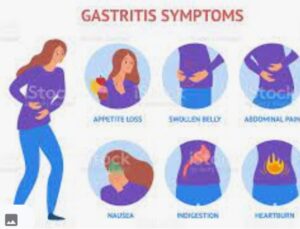
Gastritis, or inflammation of the stomach lining, can be acute (sudden onset) or chronic (persistent symptoms). Symptoms include upper abdominal or epigastric pain, burning, and heartburn. The pain may worsen with eating. Nausea and vomiting may accompany the pain. Symptoms of chronic gastritis include fullness, nausea, flatulence, weight loss, and vomiting.
Heartburn is an uncomfortable burning and warmth behind the breastbone (sternum), sometimes rising as high as the neck. It typically occurs after meals, when lying down, or during sleep at night. Heartburn is primarily caused by gastroesophageal reflux disease (GERD), in which stomach acid flows back into the esophagus. Although heartburn has nothing to do with the heart, its discomfort may be mistaken for heart pain, and vice versa. Heartburn is a common nonmedical term, medically referred to as pyrosis.
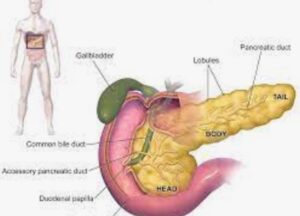
Pancreatitis is the inflammation of the pancreas, a long, flat gland located in the upper abdomen behind the stomach. The pancreas produces enzymes that aid digestion and hormones that regulate how the body processes sugar (glucose).
Pancreatitis can manifest as either acute pancreatitis, which appears suddenly and lasts for days, or chronic pancreatitis, which develops over many years.
Mild cases of pancreatitis may resolve without treatment, whereas severe cases can lead to life-threatening complications.
Salmonella infection is caused by a group of bacteria called Salmonella. These bacteria are transmitted to others through the feces of infected people or animals. Contaminated foods often come from animals, including beef, poultry, seafood, milk, and eggs. However, all foods, including unwashed fruits and vegetables, can also become contaminated. Salmonella typhi is the only Salmonella species that exclusively inhabits humans, so it is transmitted only from person to person through contaminated food or water. This type of Salmonella typically causes a severe, life-threatening infection known as typhoid fever.
A Schatzki ring, first identified in 1944 by Dr. Richard Schatzki, is a thin, circular membrane of tissue in the lower esophagus, the tube that connects an individual’s mouth to the stomach. A Schatzki ring narrows the esophageal lumen and may eventually lead to difficulty swallowing, known as dysphagia. In adults, it is considered the most common cause of episodic solid-food dysphagia and food impaction, or blockage of the esophagus by food.
Small intestinal bacterial overgrowth (SIBO) is a serious condition affecting the small intestine. It occurs when the bacterial population in the small intestine increases. These bacteria may be present in small amounts in other parts of the gut and are regularly eliminated. SIBO causes pain and diarrhea, which can lead to malnutrition because the bacteria use the body’s nutrients. SIBO symptoms primarily affect the gut. These may include stomach pain, especially after eating, bloating, cramps, diarrhea, constipation, indigestion, and a common feeling of fullness and gas.
Tylenol liver damage refers to harm to the liver caused by an overdose of acetaminophen. When used appropriately, acetaminophen is a safe and effective pain reliever. It is found in many over-the-counter products and in some prescription medications, such as Vicodin.
Signs and symptoms of Tylenol-induced liver damage may include jaundice (yellowing of the skin or eyes), abdominal pain, nausea, vomiting, loss of appetite, fatigue, excessive sweating, dark urine, pale stools, and unusual bruising or bleeding.
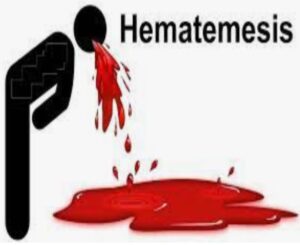
Vomiting blood, or hematemesis, is the regurgitation of stomach contents mixed with blood or the expulsion of blood alone. While it can be concerning, minor causes may sometimes trigger it. These include swallowing blood from a mouth injury or a nosebleed.
Vomiting blood may also result from more severe internal injuries, organ bleeding, or organ rupture.
Regurgitated blood may appear brown, dark red, or bright red. Darker blood typically indicates that the bleeding originates from an upper gastrointestinal source, such as the stomach. Additionally, darker blood usually signifies a less brisk, more steady source of bleeding.
In contrast, bright red blood often indicates acute bleeding from the esophagus or stomach, suggesting a faster-bleeding source.